Content
Turning the Content Calendar into a Campaign Learning System
May 20, 2026 · NoxAds Planning
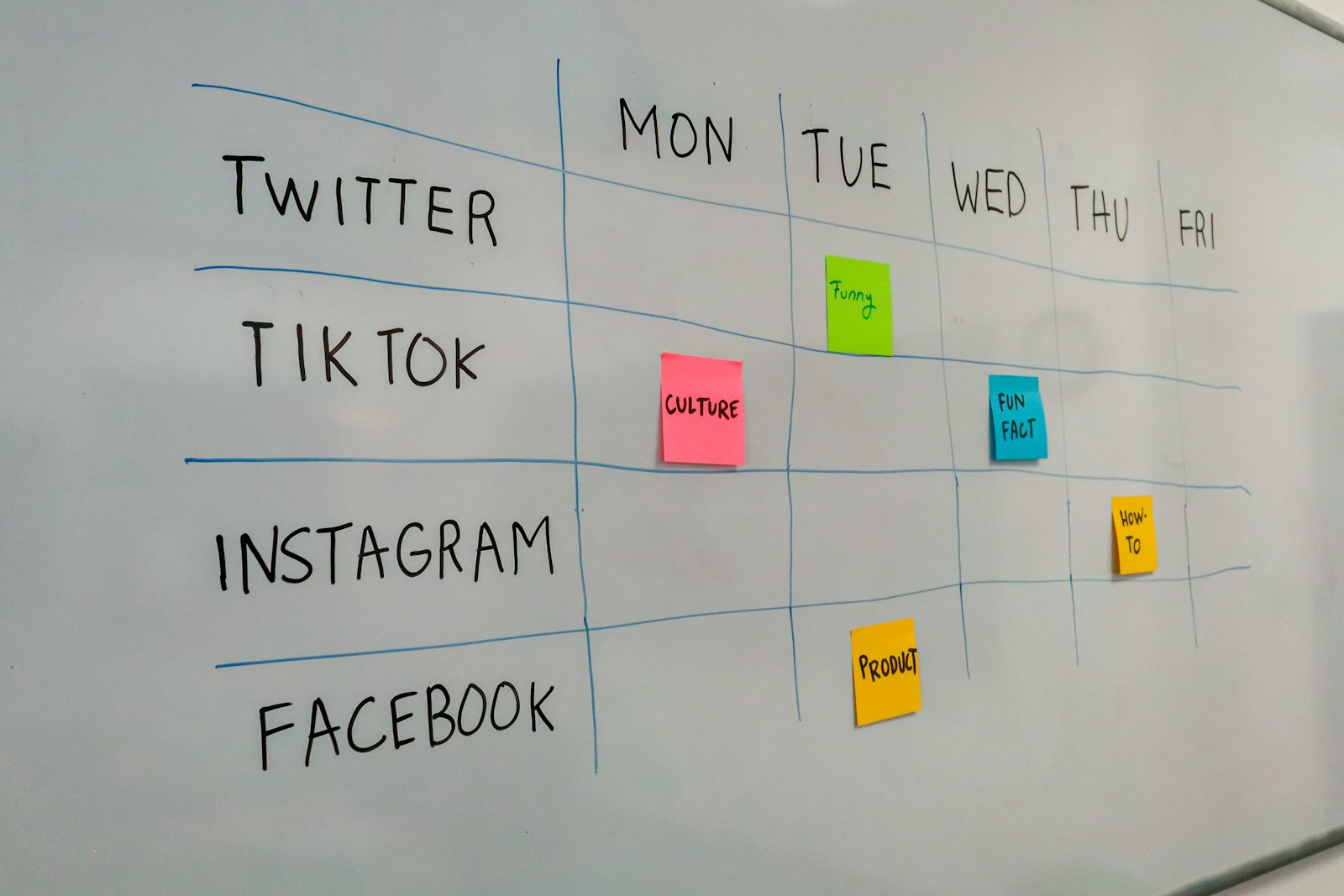
A content calendar should not only show what will be posted on which day; it should also make visible what the brand wants to learn from the market.
The Calendar Should Not Be Just a List of Dates
Classic content calendars usually consist of columns such as day, platform, visual, copy, and status. This structure is useful for tracking operations, but it keeps strategic learning limited. If it is not clear why the content is being produced, which audience insight it is testing, and how it connects to the campaign objective, the team only manages delivery dates.
In a stronger calendar, each content row makes a small assumption to be tested visible. For example, a product video is not prepared only to introduce a product; it may also aim to reduce price objections, clarify a use case, or measure the interest of a new target audience. When this purpose is defined from the beginning, post-publication analysis becomes more meaningful.
Make Production Stages Visible
Delays in content production are often caused not by a lack of creative ideas, but by unclear task distribution. If it is not clear who owns the brief, when design will begin, who will approve the copy, how many revision rounds there will be, and who will review the data after publication, the process loses speed.
That is why the calendar should include not only the publication date, but also the dates for brief, production, internal review, client approval, scheduling, and analysis. This way, the team works with bottlenecks that can be seen in advance rather than last-minute corrections. The calendar turns into an operational tracking board.
A Series-Based Structure Improves Production Quality
Trying to find a new idea from scratch every week wastes time and can fragment the brand narrative. Instead, creating recurring content series provides a more sustainable structure. Customer questions, product use cases, quick tips, comparisons, and case notes can be tied to specific formats.
A series-based structure also makes performance analysis easier. The team can measure how the same format performs with different headlines, visuals, or offer angles. This allows the team to evaluate not only individual posts, but also the potential carried by the formats themselves.
Bring Learnings Back into the Brief
After content is published, it is not enough for the report to show only reach and engagement numbers. Qualitative signals such as which headline received more saves, which caption started DMs, which visual made the user stop in the feed, and which question generated comments should also be brought back into the brief.
When this habit is established, the team does not repeat the same mistakes. The previous week’s learnings become the starting point of the new content brief. NoxAds treats this process as the shared memory of the campaign, social media, and creative teams.